How 100 Hour Yoga Teacher Training In Rishikesh Can Elevate Your Yoga Practice?

Yoganga Healing • October 17, 2023

Embarking on a journey to deepen your yoga practice is a transformative step towards personal growth and wellness. In the heart of the yogic haven of Rishikesh, India, lies an opportunity that promises to take your practice to new heights—the 100 Hour Yoga Teacher Training. Beyond the picturesque landscapes and spiritual aura, this immersive training offers a profound experience that goes beyond the mat. In this article, we explore how a 100 Hour Yoga Teacher Training in Rishikesh can elevate your yoga practice to levels you might not have imagined.

The Power of Immersion

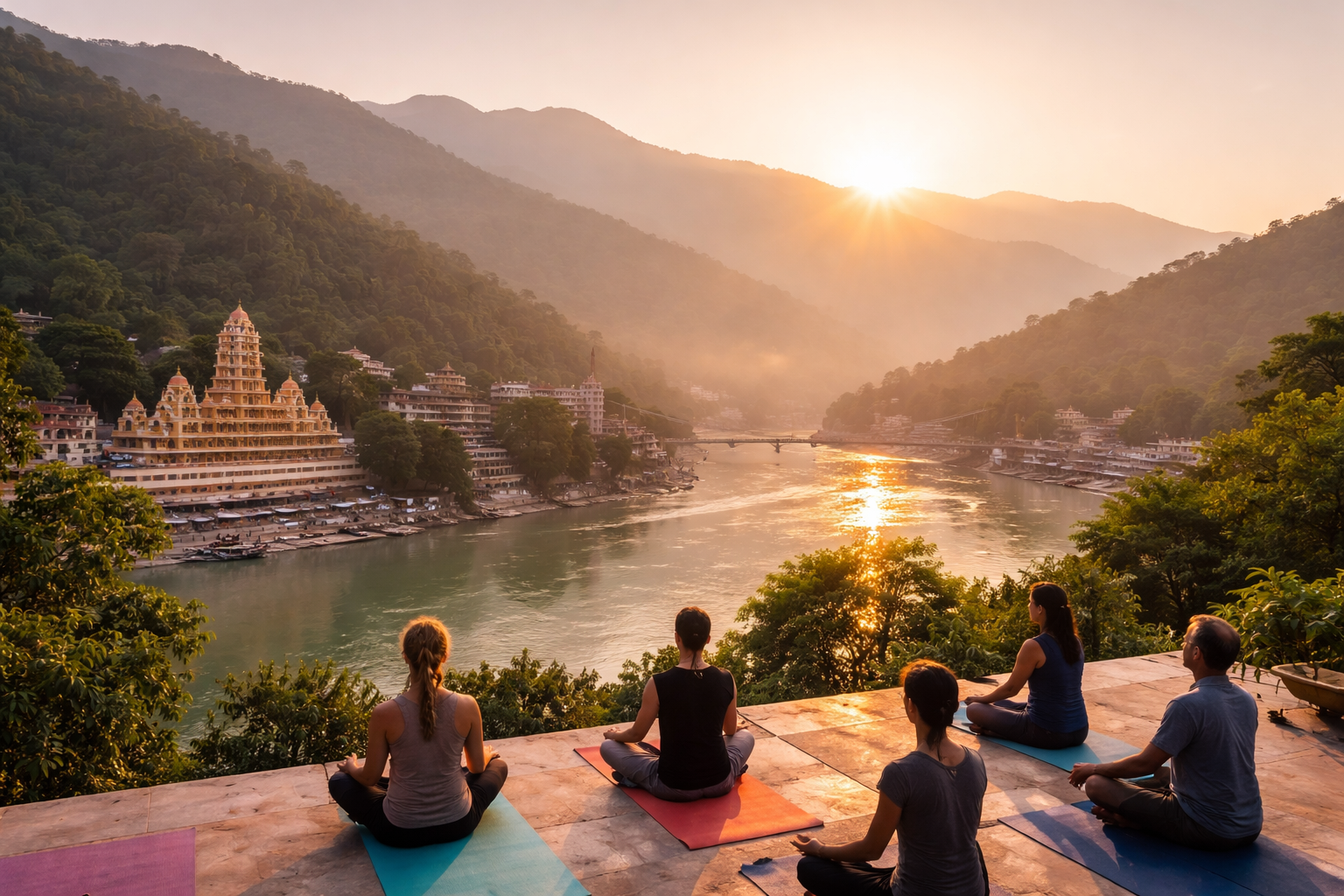
Yoga is not just about performing postures; it's about embodying its philosophy and principles. A 100 Hour Yoga Teacher Training offers an immersive experience that delves deep into the roots of yoga. Rishikesh, known as the "Yoga Capital of the World," provides an environment that nurtures self-discovery and learning. Through daily practice, guided meditations, and philosophical discussions, you become not only a practitioner but a true yogi.
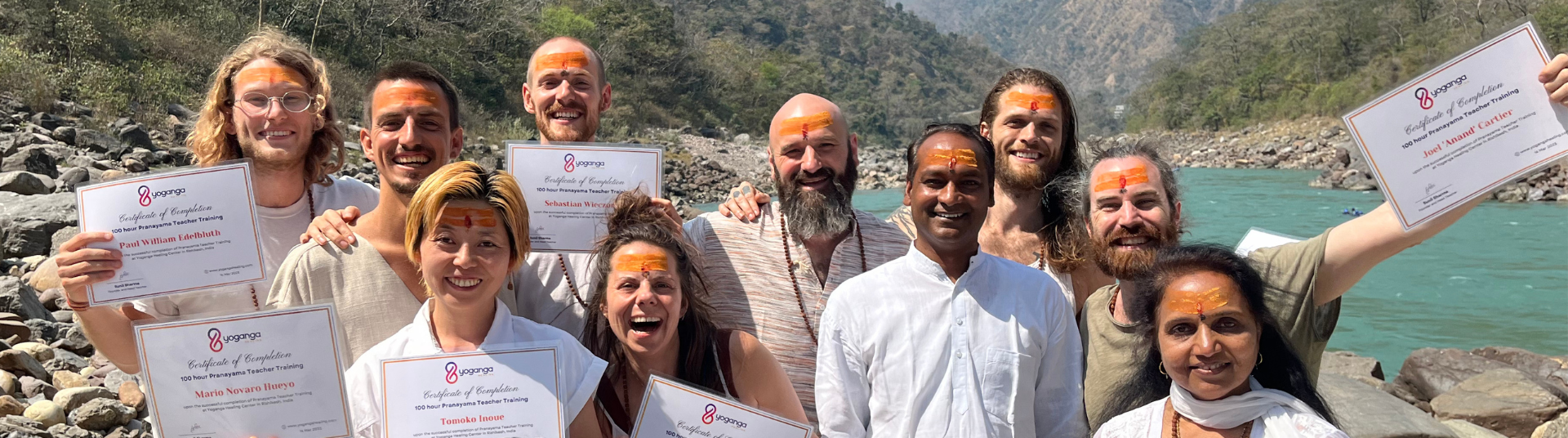
100 Hour Yoga TTC Courses in Rishikesh | Yoganga Healing

Refining Your Asana Practice

The training places a strong emphasis on asana practice, ensuring that you refine your alignment, technique, and understanding of each posture. Experienced instructors guide you through a diverse range of asanas, enabling you to explore your body's potential. With personalized attention, you uncover nuances in poses that might have eluded you before, enabling you to practice with a newfound precision.


Deepening Your Understanding of Yoga Philosophy

Yoga is a philosophy that extends beyond the mat. During the training, you delve into ancient yogic texts, exploring the teachings that have shaped this transformative practice. By understanding the philosophy behind yoga, you gain insights that inform not only your physical practice but also your approach to life. This knowledge becomes a wellspring of wisdom that you can carry with you, both on and off the mat.


Cultivating Mindfulness and Meditation

A 100 Hour Yoga Teacher Training in Rishikesh immerses you in mindfulness and meditation practices. These techniques, integral to yoga, foster a profound connection between mind, body, and spirit. Through guided meditation sessions, you learn to quiet the mind, embrace stillness, and cultivate a heightened awareness. This skill not only enhances your personal practice but equips you to guide others on their own meditative journeys.


Teaching Skills and Pedagogy

The training doesn't just elevate your personal practice; it equips you with the skills to become an effective yoga teacher. From sequencing classes to understanding the art of adjustments, you develop the expertise needed to guide others on their yoga journey. By immersing yourself in the role of a teacher, you gain a deeper understanding of the practice as a whole.


Connection and Community

One of the most beautiful aspects of a 100 Hour Yoga Teacher Training is the community you become a part of. Bonding with fellow practitioners from around the world creates an environment of support, understanding, and growth. This shared journey fosters connections that extend beyond the training, creating a global network of like-minded individuals who share your passion for yoga.


Self-Transformation and Empowerment

Above all, a 100 Hour Yoga Teacher Training in Rishikesh is a journey of self-transformation. It empowers you to break through limitations, transcend comfort zones, and tap into your inner potential. As you embrace challenges and witness your progress, you emerge as a more confident and empowered individual. This transformation extends to all aspects of your life, instilling a sense of resilience and authenticity.

Conclusion: A Journey of Expansion

Enrolling in a 100 Hour Yoga Teacher Training in Rishikesh is not just a commitment to your yoga practice; it's an investment in your growth as an individual. Through immersion, refinement, philosophy, and community, you elevate your practice to heights you might not have thought possible. Rishikesh, with its spiritual energy and yogic heritage, becomes the canvas on which you paint a journey of self-discovery, empowerment, and profound transformation. So, whether you aspire to become a teacher or simply yearn to deepen your practice, this training paves the way for a life enriched by the wisdom and beauty of yoga.


If you are looking to book Yoga TTC in Rishikesh, Yoganga Healing is best Yoga Center in Rishikesh, Send your inquiry on - info@yogangahealing.com or Call - +91 - 9557815895

Book 100 Hour Yoga TTC Now >

New Paragraph

Discover More Articles


July 8, 2026
Learn the meaning of Soham meditation, the natural mantra of breath. Discover how Soham mantra meditation supports inner peace, self-awareness, stress relief, and daily yoga practice.
By Sunil Sharma June 25, 2026
Understand how ego often hides insecurity, fear, and inner resistance. Learn a gentle healing approach through acceptance, softness, self-awareness, and emotional transformation.
May 11, 2026
Discover mudras in Hatha Yoga, their meaning, benefits, and how they work to balance energy, calm the mind, and support inner healing.
March 6, 2026
Rishikesh is often called the Yoga Capital of the World, and every year thousands of people travel here to explore yoga, meditation, and traditional spiritual practices. For many seekers, the journey to Rishikesh is not only about learning yoga techniques but also about discovering a deeper connection with themselves. Among the many yogic practices taught here, pranayama holds a very special place. Pranayama is the art of working with the breath to balance the body, calm the mind, and cultivate awareness. For this reason, many students travel to India specifically to experience a pranayama retreat in Rishikesh, where the practice can be learned in its traditional setting. Recently, a travel and wellness blog shared an honest review of the Yoganga Healing 10-Day Pranayama Healing Retreat in Rishikesh, describing the experience of learning breath awareness in a calm and supportive environment dedicated to classical yoga. You can read the original review here: https://orchids-to-olives.com/10-day-pranayama-retreat-in-rishikesh-india-honest-review-of-yoganga-healing/ In this article, we would like to share a simple overview of what participants often experience during the Yoganga Healing Pranayama Healing Retreat, and reflect on the journey described in that review.
February 13, 2026
Today, many people feel stressed, overwhelmed, or emotionally tired — even when life seems normal from outside. You may have work. You may have family. You may have stability. Yet something inside feels restless. In yoga, this is often understood as disconnection from ourselves . When the body and mind are in rhythm, life feels natural and easy. When they are disconnected, life feels heavy and complicated. You may notice: You are tired but cannot sleep. You are resting but cannot relax. You are successful but not fulfilled. This is not a failure. This is simply a signal — calling you back to yourself. Self-awareness is the bridge that reconnects body, mind, and inner being. Not through force. Not through analysis. But through direct experience. What is Self-Awareness? (Simple Meaning) Self-awareness means noticing: What you feel in the body What emotions are present What thoughts are running How you react to situations It is simply being present with yourself . In yoga, self-awareness is considered the foundation of healing. Because you cannot release what you do not notice. You cannot transform what you are not aware of. Self-awareness is not something you learn intellectually. It is something you experience through the body, breath, and presence. Why Many People Lose Self-Awareness Modern life keeps us in constant mental activity. Thinking about: Future, Past, Expectations, Responsibilities, Social comparison, Performance pressure. Slowly, we start living more in the mind and less in the body. When this happens, we stop listening to signals like: Fatigue Emotional discomfort Body tension Shallow breathing Restlessness This creates: Chronic stress Emotional overload Anxiety patterns Poor sleep Tension stored in body Yoga says something very simple and very powerful: Relaxation is your natural state. Stress is something that comes and goes. But relaxation is built into your nervous system.Self-awareness helps you return to this natural state. Not by forcing relaxation. But by removing what blocks it. Understanding Consciousness: The Three Levels of Awareness To understand self-awareness deeper, yoga looks at consciousness in layers. 1️⃣ Reactive Awareness (Automatic Survival Mode) This is where reactions happen automatically. Example: Seeing a snake photo → body reacts like real danger. This layer is helpful for survival. But if we live only here, life becomes reactive and stressful. In this state: We react before understanding. We feel before observing. We act before thinking clearly. 2️⃣ Peripheral Awareness (The Space of Transformation) This is the most important space for emotional healing. Here you can: Notice reactions Observe emotions Feel body signals Pause before reacting There is a tiny gap between impulse and action. That tiny gap is freedom. Inside this gap: You can choose response over reaction. You can understand instead of suppressing. You can release stress instead of storing stress. Yoga practices help expand this gap. 3️⃣ Integrated Awareness (Higher Consciousness State) Here we experience: Clarity Intuition Creativity Inner stability This is where spiritual growth naturally begins. Not as something mystical — but as something deeply natural. How Yoga Helps Develop Self-Awareness
February 4, 2026
Kundalini awakening is not a future event, and it is not reserved for special people. It begins the moment we start to question our life and our deeper nature: Who am I? Why am I living this way? Is there something deeper? That very questioning is Kundalini guiding awareness inward. Awakening is not something that happens later — it is always available here and now. Yet, Kundalini awakening is also one of the most discussed and misunderstood subjects in yoga today. It is often surrounded by fear, mysticism, dramatic experiences, and misinformation. In classical yoga, however, Kundalini is understood in a very different way — as a natural, gradual, and healing inner process. At Yoganga Healing, we approach Kundalini not as a brand or a force to be awakened forcefully, but as Shakti, the universal life energy that already sustains our body, mind, and consciousness. When the right conditions are created through breath, awareness, and balance, this Shakti supports inner healing, clarity, and spiritual growth. In this blog, Kundalini is explored from the perspective of classical yogic texts and lived yogic practice, offering a grounded understanding rooted in healing rather than force. What Is Kundalini According to Classical Yoga? To understand Kundalini clearly, we must first step away from fear, myths, and exaggerated ideas. In classical yoga, Kundalini is described as universal Shakti — the creative intelligence that sustains all life. This Shakti is not something outside of us. It is the same energy that: Allows us to breathe naturally Supports digestion and circulation Sustains thought, awareness, and perception Enables growth, healing, and transformation Kundalini is not inactive or asleep. It is already functioning at every moment of our life. It is described as “dormant” only because we are not consciously participating in its higher potential. Yoga exists to help us reconnect with this natural intelligence — not by creating energy, but by removing obstacles so that Shakti can express itself more fully and harmoniously. Kundalini Is Already Working Within You 

Ready to Begin Your Healing Journey?

Discover Peace—Spaces Fill Quickly, So Reserve Today