
SUNIL SHARMA

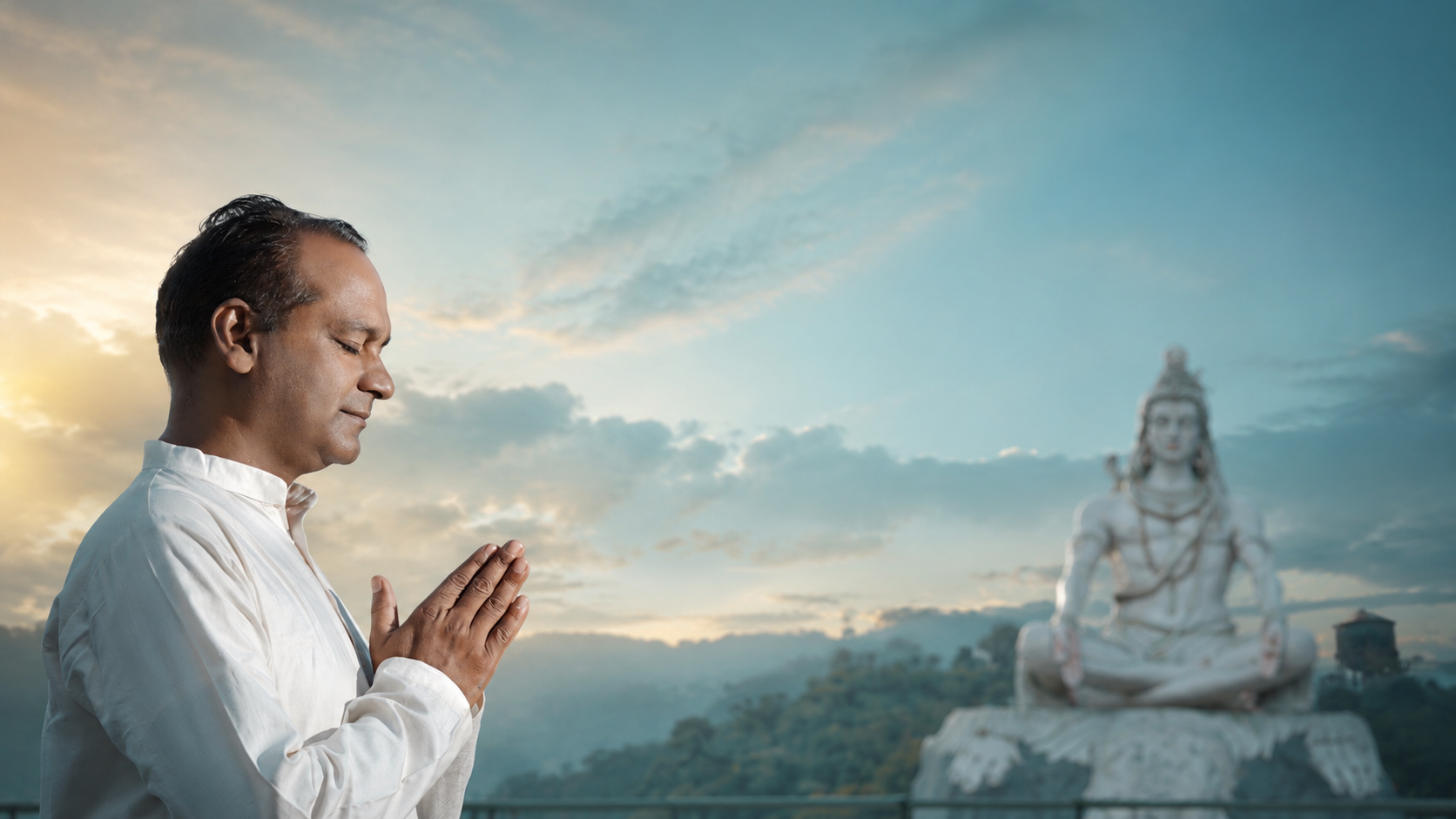
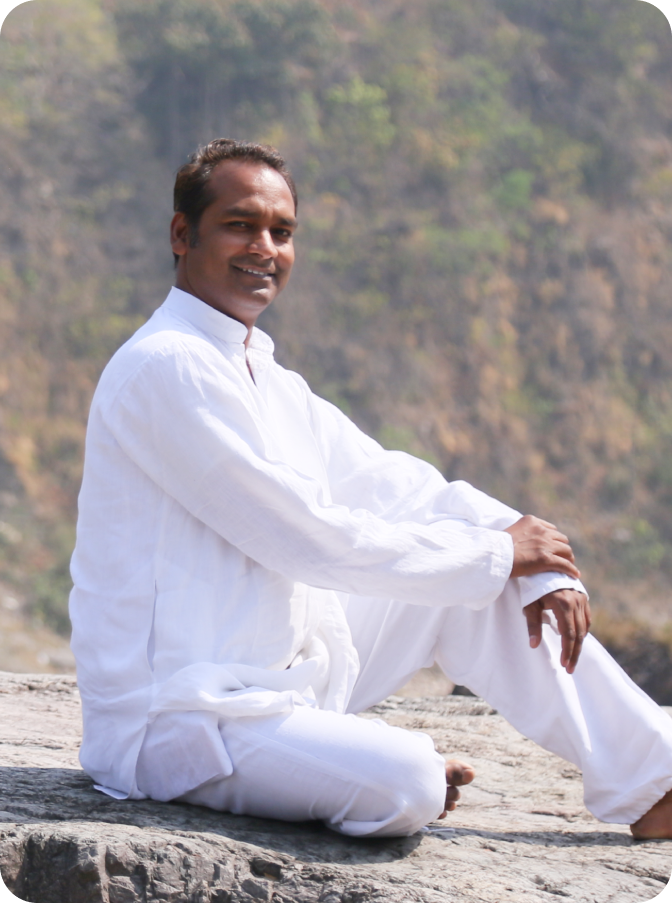
Yogi Sunil Sharma is a highly respected and experienced yoga practitioner and teacher, with over 25 years of experience teaching yoga in Rishikesh, India and around the world. 

Connect

INNER BALANCE      EMOTIONAL HARMONY      BREATH & AWARENESS      SELF-DISCOVERY

Sunil's Mission

areas of expertise

Living a life free from limitations of the mind, and completely with love, awareness, and joy.

Pranayama

Harness the breath to balance energy, emotions, and awareness.

Yoga Nidra

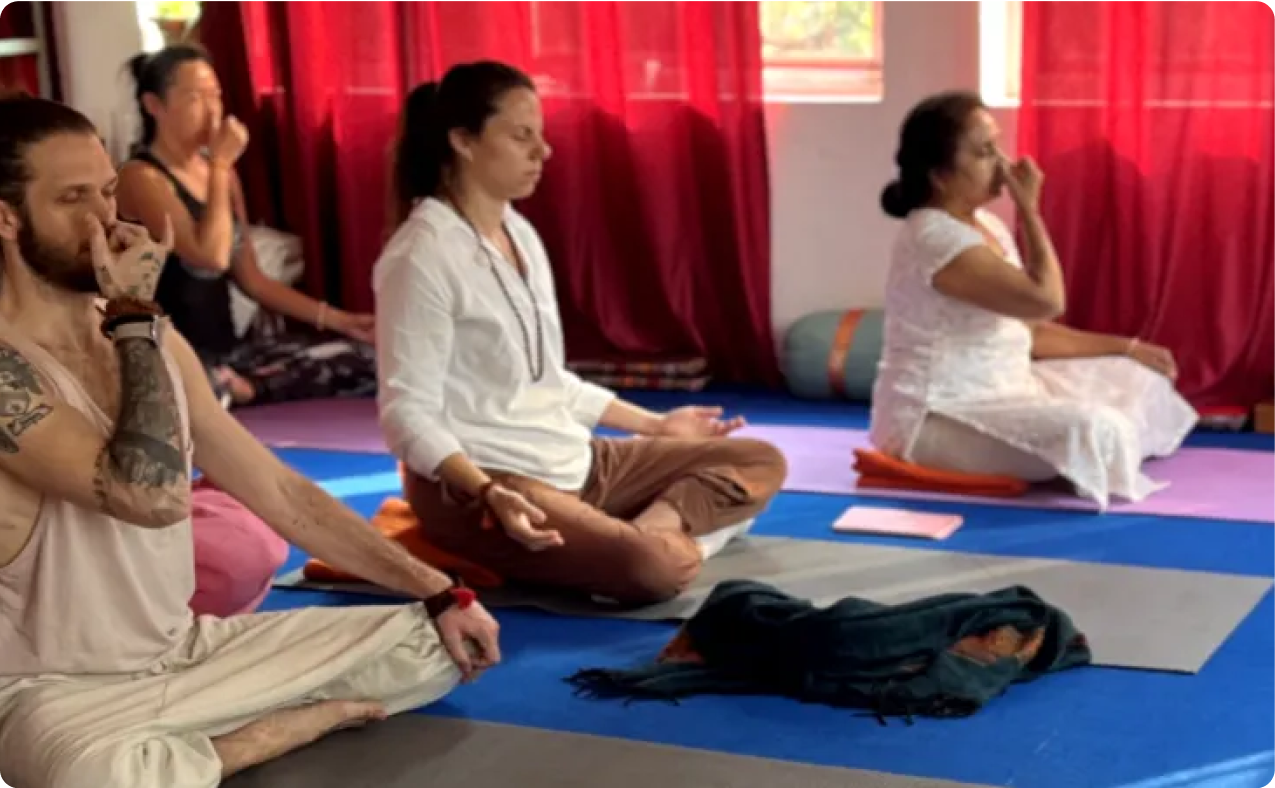
Experience deep rest and subconscious transformation.
Meditation

Cultivate clarity and inner stillness through timeless practice.

Hypnotherapy

Release fears, stress, and past patterns with guided therapy.

Yoganga Healing

Heal and transform using a unique, comprehensive system.

MESSAGE FROM THE

guru —

"Yoga is a way to rise in love with yourself. It is a practice of connecting with the body, breath, emotions, and thoughts in a gentle, non-judgmental way.

Yoganga Healing
 is born from the ancient limbs of yoga. It is a holistic path where breath, relaxation, and mindfulness dissolve old patterns, helping us release stored tensions and awaken clarity, peace, and balance in everyday life.


My mission is simple: to help people live beyond the limitations of the mind, and to uncover the vast potential that already exists within them.

- Sunil Sharma

sunil's journey

From being introduced to yoga in his youth, drawn by life’s deeper questions, to teaching internationally across India, China, Dubai, Europe

2000

B.Sc. in Science & Mathematics
(MDS University, Ajmer)

2001

Diploma in Yoga Education (Kaivalyadhama, Lonavla)

2003

M.A. in Psychology
(Jodhpur University, Rajasthan)

2010

International Diploma in Guidance & Counseling

2013

Founded Yoganga Healing in Rishikesh

Present

Mentoring, healing, and expanding through Yoganga Healing

Witnessing countless transformations in my students inspired Sunil to create Yoganga Healing, and continue to be a bridge between timeless yogic wisdom and modern therapeutic needs.

Witnessing countless transformations in my students inspired Sunil to create Yoganga Healing, and continue to be a bridge between timeless yogic wisdom and modern therapeutic needs.

Wish to learn privately with Sunil?

Experience 1-1 sessions where you get personalized insights and plans catered to your own needs and wishes.

Wish to learn privately with Sunil?

Experience 1-1 sessions where you get personalized insights and plans catered to your own needs and wishes.

What you get working with sunil

Be guided by a teacher with over 25 years of yogic wisdom and inner mastery.

01

Timeless yogic tools for balance, healing, and inner strength.

02

Tailored practices that address your unique needs and challenges.

03

Release of stored stress and emotions through yoga and mindfulness.

04

A safe, supportive space rooted in tradition and compassion.

05

Lasting wisdom  that deepens your journey over time.

04

A safe, supportive space rooted in tradition and compassion.

05

Lasting wisdom  that deepens your journey over time.

AVAILABLE COURSES


Find Your Perfect Class

Learn accurate yogic techniques in a safe space, transform yourself, and extend your experiences to others.

Meticulously crafted courses that go deep into theory as well as practice, but structured with simplicity and compassion.
View Course Details →

Yoga Nidra Healing Retreat

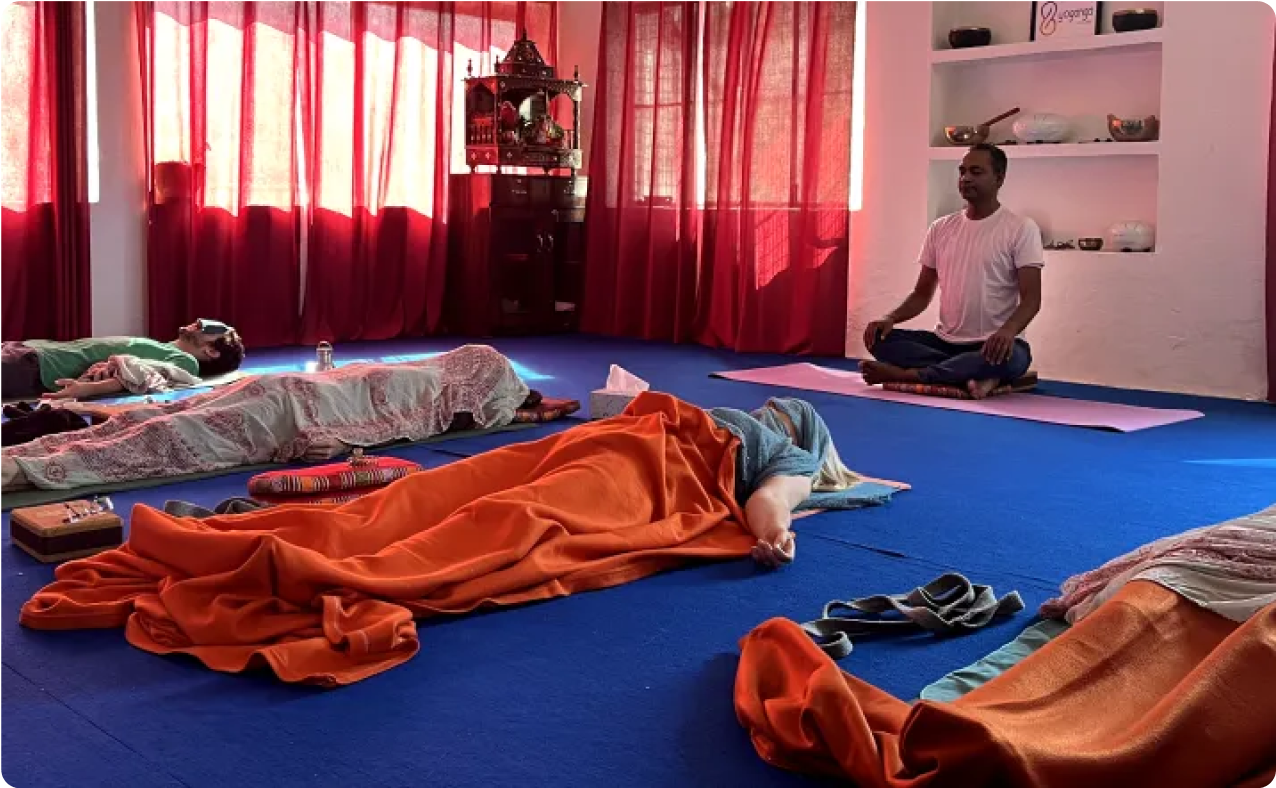
Experience deep relaxation and spiritual growth with our Yoga Nidra-Intensive Retreat in Rishikesh. 

View Course Details →

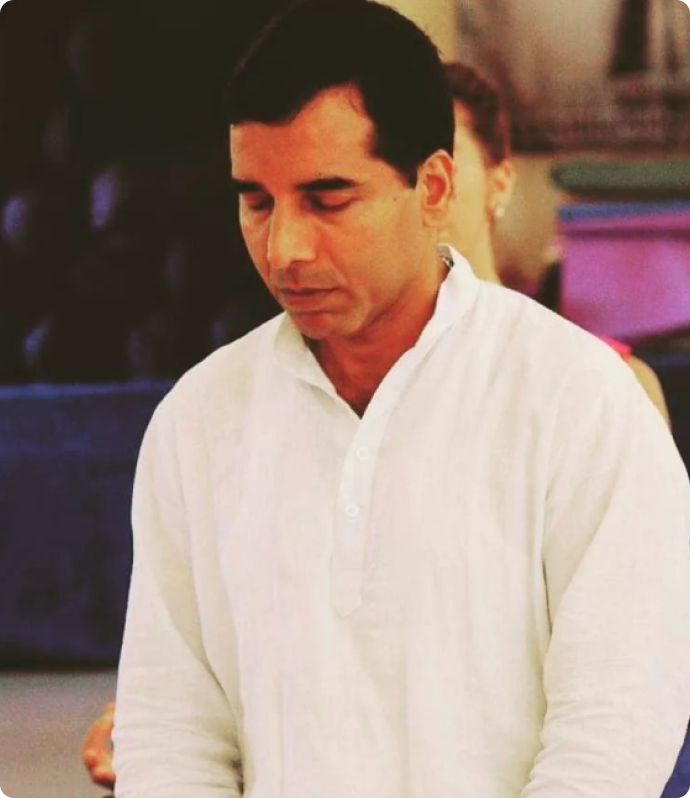
Other Experts at Yoganga Healing

Our teachers are dedicated practitioners with years of experience in classical yoga, breathwork, and healing arts.
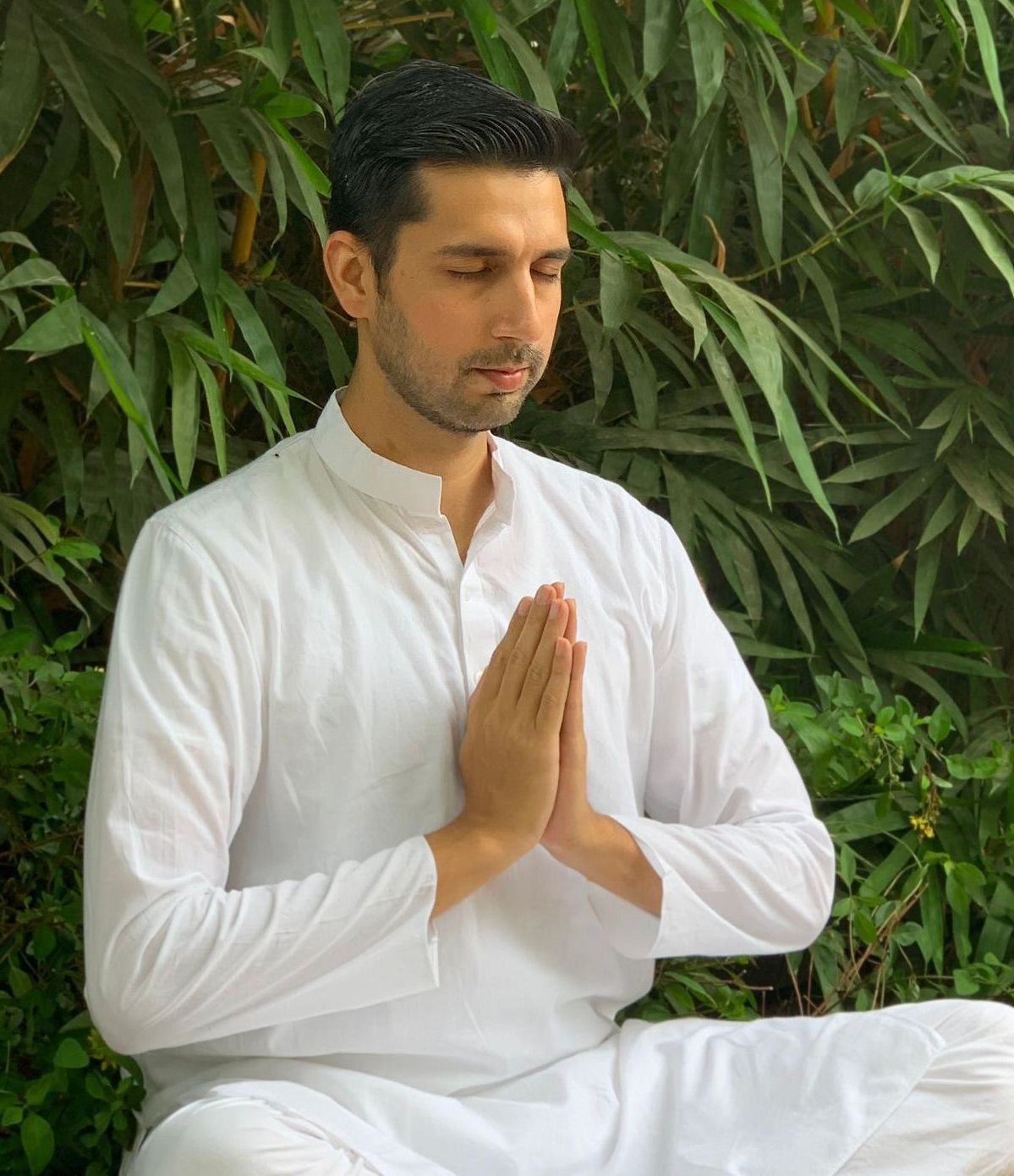
Master, Sound Healing

8+ Years of Experience

Master, Reiki Healing

18+ Years of Experience

BLOGS


January 29, 2026
Kundalini awakening is not a future event, and it is not reserved for special people. It begins the moment we start to question our life and our deeper nature: Who am I? Why am I living this way? Is there something deeper? That very questioning is Kundalini guiding awareness inward. Awakening is not something that happens later — it is always available here and now. Yet, Kundalini awakening is also one of the most discussed and misunderstood subjects in yoga today. It is often surrounded by fear, mysticism, dramatic experiences, and misinformation. In classical yoga, however, Kundalini is understood in a very different way — as a natural, gradual, and healing inner process. At Yoganga Healing, we approach Kundalini not as a brand or a force to be awakened forcefully, but as Shakti, the universal life energy that already sustains our body, mind, and consciousness. When the right conditions are created through breath, awareness, and balance, this Shakti supports inner healing, clarity, and spiritual growth. In this blog, Kundalini is explored from the perspective of classical yogic texts and lived yogic practice, offering a grounded understanding rooted in healing rather than force. What Is Kundalini According to Classical Yoga? To understand Kundalini clearly, we must first step away from fear, myths, and exaggerated ideas. In classical yoga, Kundalini is described as universal Shakti — the creative intelligence that sustains all life. This Shakti is not something outside of us. It is the same energy that: Allows us to breathe naturally Supports digestion and circulation Sustains thought, awareness, and perception Enables growth, healing, and transformation Kundalini is not inactive or asleep. It is already functioning at every moment of our life. It is described as “dormant” only because we are not consciously participating in its higher potential. Yoga exists to help us reconnect with this natural intelligence — not by creating energy, but by removing obstacles so that Shakti can express itself more fully and harmoniously. Kundalini Is Already Working Within You One of the most important insights from classical yoga is this: Kundalini is already operational. It is already guiding our biological, emotional, and psychological processes. However, when there is: Constant stress Unresolved emotions Inner conflict Unhealthy lifestyle habits Excessive mental activity The flow of prana (life energy) becomes scattered and blocked. Yoga practices do not create Kundalini. They remove obstacles so that Shakti can work more completely and harmoniously. Kundalini Is Not a Brand or a Technique Today, Kundalini is often presented as a specific style or identity. Classical yoga does not support this idea. Kundalini is: Not a workout Not a belief system Not an experience to chase It is an evolutionary process of consciousness. Traditional texts such as the Hatha Yoga Pradipika, Gheranda Samhita, and Shiva Samhita describe Kundalini as a gradual unfolding of awareness, supported by preparation, discipline, and inner balance. When Kundalini unfolds naturally, it brings: Calmness Emotional stability Clarity of perception Inner silence A deeper sense of meaning not chaos or disturbance. Why Kundalini Awakening Is Often Misunderstood Many people associate Kundalini with sudden emotional release, physical discomfort, or mental imbalance. According to classical yogic understanding, these are not signs of Kundalini awakening. When energy is forced without preparation, what arises is: Nervous system imbalance Restlessness Anxiety Emotional overload This is not Kundalini. It is the system reacting to pressure. Classical yoga emphasizes healing before awakening, not intensity. Inner Healing, Inner Conflict, and the Role of Breath In yoga, healing and spirituality are not separate. Inner healing is the very foundation of Kundalini awakening. Unresolved emotions, stored impressions ( samskaras ), and repetitive mental patterns create leakage of energy. When energy is scattered or blocked, Kundalini cannot rise naturally. This is why classical yoga places healing before awakening. The purpose of yogic practices is not to force energy upward, but to: Reduce inner conflict Calm the nervous system Heal emotional patterns Restore balance in prana When these conditions are created, Kundalini begins to support higher awareness safely and naturally. One of the greatest obstacles to Kundalini awakening is mental duality — the constant conflict of thoughts. Classical yoga teaches that: Fighting the mind strengthens the mind Suppressing thoughts creates tension Chasing silence creates disturbance As long as the mind remains divided, awareness stays scattered. When inner conflict settles, awareness naturally becomes still. This inner stillness is what many yogic traditions refer to as Kundalini awakening — expressed through different languages, but pointing to the same truth. The yogic texts also observe a simple and powerful truth: When the breath moves, the mind moves. When the breath becomes subtle, the mind becomes subtle. This is why breath practices are central to the path of Kundalini yoga. Through conscious breathing, we: Calm the nervous system Regulate the flow of prana Reduce mental noise Prepare the body and mind for meditation Breath is not used to control energy, but to harmonize it. When the breath is balanced and relaxed, the mind naturally follows, creating the inner conditions where healing deepens and Kundalini unfolds on its own. In this way, inner healing, stillness of mind, and breath awareness are not separate steps — they are one continuous process of awakening. Pranayama, Kumbhaka, Mudras, and Bandhas Classical Kundalini practice is not a single technique. It is a complete system. It includes: Pranayama to balance prana Kumbhaka to bring inner stillness Bandhas (energy locks) to guide prana Mudras to stabilize awareness These practices work together to support prana entering the Sushumna nadi, the central energy channel. When prana flows through Sushumna: Duality reduces Awareness becomes unified Healing deepens Nadis Purification: The Foundation of Safe Kundalini Classical texts clearly state: as long as the nadis are impure, prana cannot enter Sushumna. If prana does not enter Sushumna, deep meditation cannot happen. This is why traditional yoga emphasizes: Gradual purification Balanced lifestyle Regular practice Relaxation and rest Awakening is a result of purification, not force. Ajapa Japa and Soham: The Natural Mantra of Kundalini One of the most subtle and powerful teachings of Kundalini yoga is Ajapa Japa — the natural mantra of the breath. With every breath: Inhalation naturally sounds So Exhalation naturally sounds Ham This Soham mantra happens continuously — about 21,600 times a day. When awareness returns to this natural rhythm: The mind becomes quieter Inner healing deepens Awareness stabilizes Kundalini is supported gently Ajapa Japa is not something we perform. It is something we remember. Where Is Kundalini Located? Traditional texts describe Kundalini as resting near the Muladhara chakra, close to the kanda, the root of the subtle energy channels. Some texts describe: Three and a half coils Others mention multiple coils These descriptions are symbolic, pointing to stages of consciousness, not physical anatomy. The essential understanding remains: Kundalini awakens when awareness awakens. Kundalini for Inner Healing: A Gentle Practice Approach We follows a gentle, classical sequence focused on healing rather than stimulation. The practice included: Siddhasana for grounding and stability Jalandhara Bandha to settle prana Ashwini Mudra for pelvic awareness Yoni Mudra for sense withdrawal Ujjayi breathing with spinal awareness Soham mantra with Ajapa Japa Deep rest for integration The emphasis was not on doing more, but on allowing Shakti to work. Key Takeaways: Kundalini for Inner Healing Kundalini awakening is not a future event — it is available here and now Kundalini is a natural healing process, not something to force Inner healing and awakening are not separate Breath awareness is the key to calming the mind and balancing prana True Kundalini awakening brings calm, clarity, and stability Healing happens when effort drops and trust in Shakti begins Conclusion One of the most important aspects of Kundalini for inner healing is letting go of doership. Kundalini does not awaken through effort or control — it unfolds through trust and relaxation. When effort drops: The body relaxes The breath softens Awareness deepens Healing integrates naturally In this state, Shakti knows what is needed and works intelligently within us. Kundalini is not something to awaken. It is something to trust. When the body is relaxed, the breath is balanced, and the mind is quiet, Shakti unfolds on its own. There is no need to push, force, or chase experiences. Inner healing is not a step before awakening.Inner healing is the awakening.  For a deeper and clearer understanding of Kundalini from a classical yogic perspective, we invite you to watch this short talk by Sunil Sharma, where he answers common questions and misconceptions around Kundalini awakening.
January 9, 2026
In Yoganga Healing, relaxation is not considered a luxury. It is not something extra, and it is not something to be earned. Relaxation is the doorway to healing. Over years of guiding people, listening to their life stories, and witnessing their inner struggles, one truth has become very clear to Sunil Sharma: As long as we remain contracted inside, healing cannot begin. When we relax, things naturally start falling into place. This understanding did not come from theory. It came from direct experience — again and again — watching how the body, the breath, and the inner world respond the moment a person softens. What Is Relaxation? (And Why It Is Not What We Think) Most people think relaxation means resting, sleeping, taking a break, or distracting themselves. But from a healing perspective, this is not true relaxation. Relaxation is not an activity. It is not entertainment. It is not an escape. Relaxation is a state of the body. It is the state where the body is no longer holding tension, the breath becomes natural, and the nervous system feels safe. In this state, the system is no longer in defence. Sunil ji has observed again and again that healing does not begin through thinking or talking – it begins when the body relaxes. As long as we remain tight and contracted inside, healing cannot start. But the moment we soften, even a little, the system becomes open and receptive. This is why relaxation is not something we need to achieve. It is something we need to allow. The body already knows how to relax. We only need to stop holding. Why Relaxation Is Important for Healing Healing cannot begin when the body is in a state of contraction. When we are tense, tight, and holding inside, the system is in protection mode. In this state, the body is focused on survival, not healing. When a person starts to relax, things begin to move in the right direction naturally. This does not mean problems disappear, but the system becomes open and responsive. The body becomes available for healing. As long as we remain contracted, nothing can change. But when the body softens, even a little, something shifts. The breath deepens. The nervous system settles. The inner space opens. This is why relaxation is not optional in healing. It is the starting point. Without relaxation, healing cannot happen. With relaxation, healing naturally begins. Relaxation and the Nervous System Healing is not something we force; it is something we allow. When the body enters a relaxed state, it activates the parasympathetic nervous system , which signals safety and opens the inner pathways of restoration. When we relax, the body naturally shifts into healing mode. This is what begins to happen: The breath deepens and begins to move with a natural rhythm, bringing calmness into every part of the body. Stress hormones reduce , giving the nervous system space to settle and restore balance. Prana starts flowing more freely , nourishing the inner pathways that were blocked by tension. The muscles soften , releasing the tightness we often hold without awareness. Emotions settle naturally , allowing us to feel without overwhelm. The mind becomes spacious , clear, and open — no longer squeezed by constant thinking. Practices like Pranayama and Yoga Nidra help us access this healing space. You can learn more about our offerings: Pranayama Healing Retreat and Yoga Nidra Healing Retreat Relaxation for Anxiety, Sleep & Emotional Healing Anxiety is not only in the mind. It is held in the body. This is why thinking or analysing rarely resolves anxiety. Sunil ji explains that as the body feels safe, the breath softens and the nervous system settles. The same is true for sleep. Many people cannot sleep because they are still holding the day inside. When the body relaxes, sleep comes naturally. Relaxation is not a technique. It is the condition that allows balance to return. Here’s how relaxation supports healing: Emotional Healing: When the body feels safe, emotions naturally loosen and move. Tears, warmth, and subtle waves of feeling rise gently and settle on their own. Nothing needs to be forced — the body releases at its own pace. Better Sleep: Relaxation quiets the nervous system, making it easier to fall asleep and enter deeper rest. You wake up feeling clearer, lighter, and more restored. Reduced Anxiety & Stress: As the breath becomes softer, the fight-or-flight response switches off. Worry, tightness, and inner pressure begin to melt, creating a sense of ease inside. Improved Digestion: A relaxed body activates the healing mode where digestion improves, inflammation reduces, and the internal organs function more smoothly. Clarity of Mind: Relaxation clears the fog of constant thinking. Thoughts become simpler, more organised, and spacious. You can see situations with more understanding and make decisions with ease. A Lighter, Open Heart: When the body relaxes, the chest naturally softens. You feel more connected, compassionate, and available to yourself and others. The heart shifts from tension to openness. Relaxation is not an escape from life; it is a return to life with greater presence and clarity. Simple Relaxation Practices You Can Start Today Here are a few simple relaxation practices you can start today: 1. Soft Belly Breathing Place one hand on your belly. Inhale gently… exhale slowly… Let your belly soften with each breath. This simple movement tells your body, “You are safe.” 2. Whole Body Exhale Take a slow, long exhale and imagine the whole body melting downward. With each out-breath, feel your shoulders, face, and chest letting go a little more. This helps release hidden tension from the body. 3. Yoga Nidra Lie down comfortably. Relax your feet, legs, belly, chest, arms, and face one by one. Give your whole body permission to rest. Try a short guided Yoga Nidra here: https://youtu.be/WgnKIwQKROY?si=OTEuXJlt2wPqrT1L 4. Breath-Pause Awareness Take a soft breath in… Exhale gently… Pause for a moment. Feel the quiet stillness in that pause. This tiny gap helps the mind slow down and settle. If your heart wishes to go deeper, we offer gentle one-to-one sessions to support your healing journey. https://www.yogangahealing.com/one-to-one-sessions Conclusion: Relaxation Is Your True Nature Relaxation is your natural state. When the body softens and the breath becomes gentle, the system feels safe to settle and healing begins. We do not need to push or force ourselves to heal. When we give the body space, it knows how to return to balance. Healing is not a dramatic moment. It is a quiet return to ease. As we learn to relax, we reconnect with our natural rhythm and begin to live with more presence and clarity. FAQs
November 11, 2025
The word Chakra comes from the ancient Sanskrit language and literally means “wheel” or “circle.” In yogic philosophy, chakras are seen as spinning vortices of energy located within the subtle body — an energetic counterpart to our physical body. These centers regulate the flow of prana (vital life force) and connect our physical, emotional, mental, and spiritual experiences. Chakras are not physical organs; they are vibrational centers of consciousness. They act as bridges between the body and mind, matter and spirit, inner and outer worlds. Each chakra governs specific physiological functions, emotional patterns, mental tendencies, and states of awareness. When energy flows freely through these centers, it nourishes every level of our being — supporting health, creativity, balance, and spiritual growth. When blocked or imbalanced, energy stagnates or disperses, leading to disharmony that can appear as tension, fatigue, confusion, or emotional unrest. The Yogic View of Chakras In yoga, the human being is seen as a union of five layers or sheaths ( pancha koshas ): The physical body, energy body, mental body, wisdom body, and bliss body. The chakras exist within the energy body (pranamaya kosha) , through which prana circulates via subtle channels called nadis . There are said to be 72,000 nadis in the body, but three are most important: Ida – representing the moon, feminine energy, and the mind Pingala – representing the sun, masculine energy, and vitality Sushumna – the central channel that runs along the spine The chakras are aligned along this central channel, the Sushumna nadi , extending from the base of the spine to the crown of the head. When prana flows through Sushumna freely, awareness expands, and spiritual awakening unfolds. Symbolism of the Chakra System Each chakra is symbolized by a lotus flower , representing the unfolding of consciousne ss.The number of petals corresponds to the vibrational frequency of that energy center — for example, the Root Chakra has four petals, while the Crown Chakra has a thousand. Each chakra also carries: A specific color – reflecting its vibration frequency A bija (seed) mantra – the sound that activates its resonance An element (tattva) – such as earth, water, fire, air, or ether A deity or archetype – representing aspects of universal consciousness These symbols aren’t just artistic —they are metaphors describing the movement of energy, consciousness, and transformation within us. Psychological and Spiritual Dimensions Chakras can be understood as maps of human evolution and inner growth . They correspond to different stages of consciousness — from instinctual survival to spiritual transcendence. Lower Chakras (Root, Sacral, Solar Plexus): Concerned with physical survival, emotions, and identity. They ground us in the material world and help us develop stability, creativity, and confidence. Middle Chakra (Heart): The bridge between matter and spirit. It opens us to love, compassion, and connection beyond ego. Upper Chakras (Throat, Third Eye, Crown): Related to communication, intuition, and higher awareness. They awaken insight, wisdom, and spiritual unity. When energy rises from the base of the spine to the crown — symbolizing the awakening of Kundalini Shakti — the individual consciousness merges with universal consciousness. This is considered the ultimate purpose of yogic evolution. The Function of Chakras in Daily Life On a practical level, chakras influence every aspect of our being: Physical: Each chakra is linked with specific glands, organs, and nervous centers. Emotional: They regulate feelings such as fear, desire, confidence, love, and joy. Mental: They shape our thoughts, beliefs, and perceptions of reality. Spiritual: They guide our journey toward self-awareness and inner freedom. For example, when the heart chakra is balanced, we experience openness, forgiveness, and empathy. When blocked, we might feel lonely, closed, or unable to trust. Similarly, a balanced throat chakra encourages clear and honest communication, while imbalance may lead to fear of speaking or excessive talk without awareness. Chakras as a Path of Transformation Understanding chakras is not only a theory — it’s a path of self-discovery and transformation . Each chakra teaches a life lesson. Healing them means becoming aware of our patterns, releasing fear, and allowing energy to flow naturally again. Through consistent practices like asana, pranayama, meditation, mantra chanting, sound healing, and Yoga Nidra , one can gradually purify the chakras, awaken prana, and live with greater harmony and awareness.Ultimately, the chakra system offers a mirror to our inner world — showing where we are open, where we are holding on, and how we can return to wholeness. Understanding the Seven Chakras 1. Root Chakra ( Muladhara ) — Feeling Grounded and Safe