
How Yoga Develops Self-Awareness Part II
October 1, 2026
Understanding Yourself Through Asana, Pranayama, Meditation and Yoga Nidra.
Have you ever reacted to something and later wondered why it affected you so much? Perhaps you became angry over a small disagreement, felt anxious about something that never happened, or repeated a habit you had promised yourself you would change.
Most of us experience these moments. We become so involved in our thoughts, emotions and daily responsibilities that we rarely stop to notice what is happening within us.
This is where yoga can help.
In the first part of this series, Yoga as the Evolution of Consciousness, we explored how greater awareness allows us to move from automatic reactions towards conscious living. But understanding awareness is only the beginning. The next step is learning how to develop it through practice.
Yoga develops self-awareness by helping us observe our body, breath, thoughts and emotions. Through regular practice, we begin to understand our habits, recognise our reactions and make more conscious choices in everyday life.
What Is Self-Awareness, and Why Is It Important?
Self-awareness is our ability to recognise what we are experiencing and understand how it influences our behaviour. Imagine returning home after a difficult day at work. You are physically tired and mentally occupied with everything that happened during the day. Someone asks you a simple question, and you respond impatiently.
Later, you realise that your reaction had very little to do with the person who asked the question. You were carrying the stress of the day without realising it.
When we lack self-awareness, we often carry our emotions from one situation into another. We may blame the situation or another person without recognising what is actually happening within us.
With greater awareness, we can begin to notice our tiredness, tension or frustration before it affects our interactions with others.
Yoga develops this ability through practices that bring our attention back to ourselves. Instead of trying to change everything immediately, we begin by observing what is already happening.
Asana: Becoming More Aware of Your Body
Yoga postures are often associated with flexibility, strength and physical fitness. However, practising asana with awareness can also reveal a great deal about our habits and attitudes.
Imagine attending a yoga class where the teacher introduces a posture you find difficult. You look around and notice that other students seem comfortable while you are struggling. Without realising it, you begin comparing yourself with them and push your body beyond what feels appropriate.
Now imagine approaching the same posture differently.
Instead of comparing yourself with others, you begin observing your body. You notice where you are holding tension, how you are breathing and whether you are forcing the movement.
The posture may not change, but the way you practise it has changed.
Asana becomes an opportunity to develop body awareness, patience and concentration. Over time, we may also begin to recognise similar patterns outside the yoga class.
Perhaps we push ourselves too hard at work, become impatient when learning something new or constantly compare our progress with others.
The yoga mat gives us an opportunity to observe these habits and develop a different relationship with ourselves.

Pranayama: Understanding the Connection Between Breath and Mind
Our breathing changes throughout the day, often without our awareness. When we are stressed, the breath may become faster or shallower. When we feel afraid, we may hold our breath. When we are relaxed, breathing often becomes slower and more comfortable.
These changes reveal the close connection between our breath, body and mind.
Through pranayama practice, we begin to observe our breathing more carefully. We notice its rhythm, depth and movement, and how it changes with our physical and emotional state. Imagine preparing for an important meeting. You may feel completely occupied by your thoughts without noticing that your breathing has become shallow and your shoulders are tense.
But when you develop breath awareness through pranayama, you may begin to recognise these changes much earlier.
You become more aware of how your thoughts and emotions influence your body. Instead of allowing tension to continue building unnoticed, you have an opportunity to respond to it.This is one of the important ways that pranayama develops self-awareness.
The practice of pranayama is not only about controlling the breath. It also teaches us to observe ourselves with greater sensitivity.
With regular practice, we may become more aware of stress, recognise emotional changes earlier and develop a greater sense of inner balance.
For those who wish to explore classical breathing practices more deeply, our Pranayama Healing Retreat in Rishikesh brings together breath awareness, pranayama, meditation and yoga philosophy.
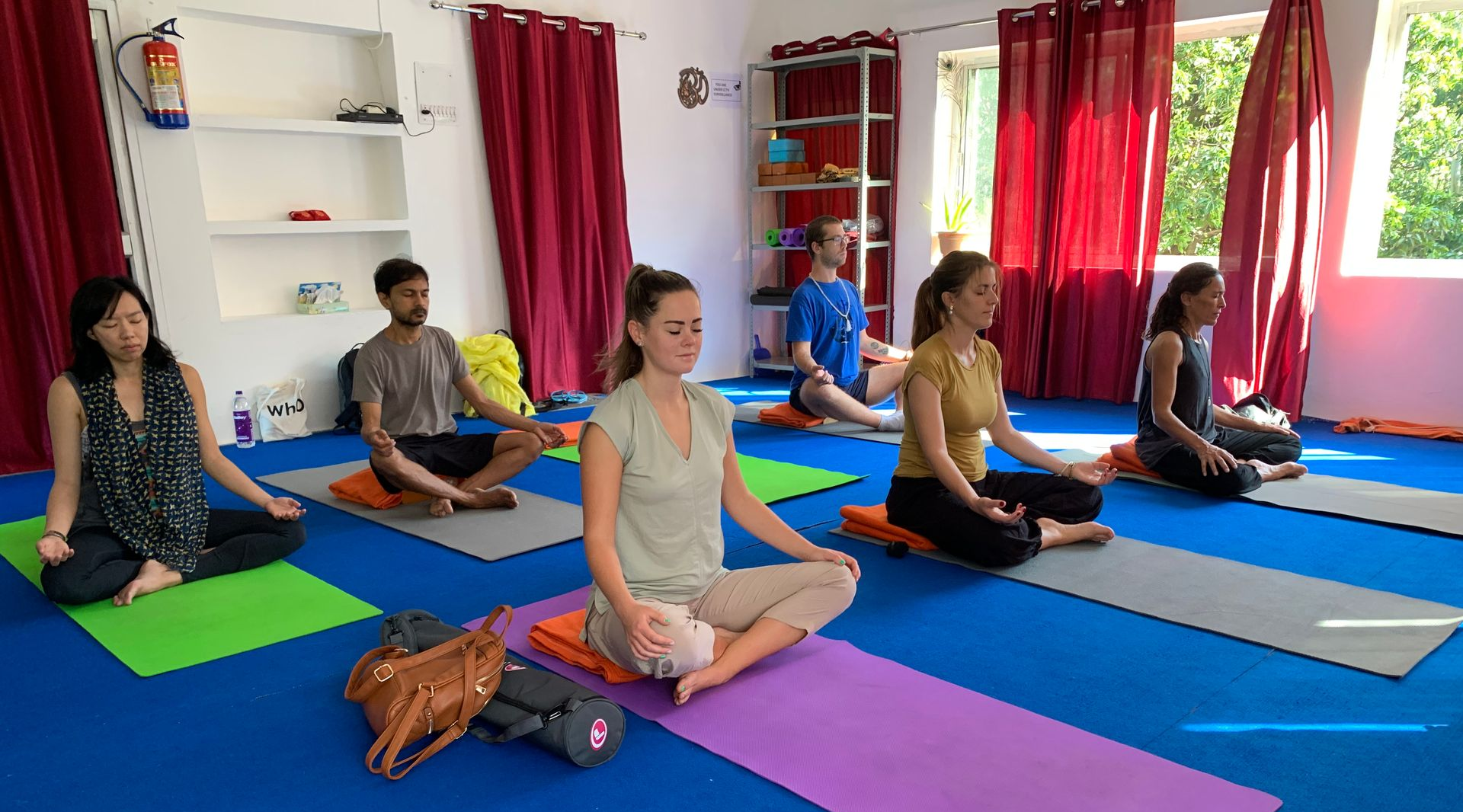
Meditation: Learning to Observe Your Thoughts
Have you ever sat quietly for a few minutes and discovered just how busy your mind is? You may begin thinking about work, remembering a conversation from yesterday, planning tomorrow's activities or worrying about something that has not happened.
This is a common experience when we begin meditation.
Many people believe that successful meditation means having no thoughts. But an important purpose of meditation is to become aware of our thoughts rather than automatically following them.During meditation, we begin to observe how the mind works. We notice how one thought leads to another and how easily we become involved in memories, expectations and imaginary situations.
For example, you may remember an uncomfortable conversation and immediately begin replaying it in your mind. Within moments, the same anger or disappointment you experienced earlier may return.
Meditation gives you the opportunity to recognise what is happening. You begin to notice that you are remembering the conversation rather than experiencing it again. You may still feel upset, but you can observe the experience without becoming completely involved in it.
Through regular meditation practice, we begin to understand that not every thought requires our attention and not every emotion needs to determine our actions.
This awareness creates greater clarity and allows us to develop a more balanced relationship with our minds.

Yoga Nidra: Developing Deeper Inner Awareness
Sometimes, even when we sit quietly, the body remains tense and the mind continues to be busy. Yoga Nidra offers another way to explore self-awareness through guided relaxation and conscious rest.
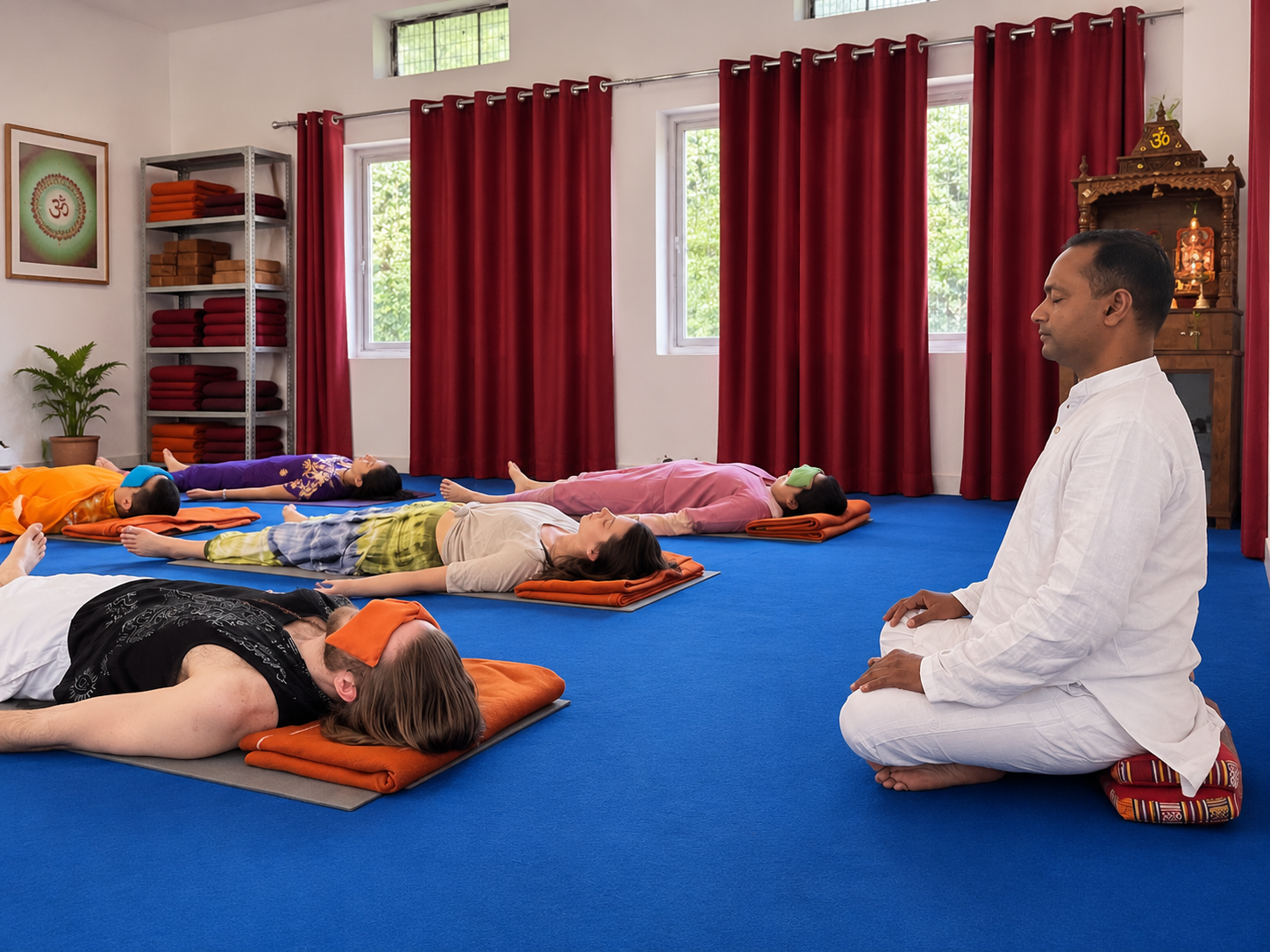
During Yoga Nidra, we lie comfortably in Shavasana and follow the teacher's instructions. We gradually bring our attention to different parts of the body, the breath and our inner experiences.
As the body relaxes, we may begin to notice sensations and areas of tension that usually go unnoticed. We may also become aware of thoughts, memories or emotions that are present beneath our everyday mental activity. The purpose is not to analyse every experience or force ourselves to feel a particular way. We are learning to observe what is happening.
For example, we may notice that even during rest, the mind continues to plan, worry or revisit old conversations. Becoming aware of these patterns can help us understand how much mental activity we carry throughout the day.
Yoga Nidra gives us an opportunity to experience conscious rest while developing greater sensitivity towards the body and mind. With regular practice, we may become better at recognising physical tension, observing our thoughts and allowing ourselves time to rest.
If you would like to experience this practice in greater depth, explore our Yoga Nidra Healing Retreat
Understanding Emotions Without Suppressing Them
One important aspect of developing self-awareness through yoga is learning to recognise our emotions without immediately reacting to them. Sometimes we believe that practising yoga means we should always feel peaceful. We may think that becoming angry or anxious means we are not progressing.
But yoga does not require us to ignore or suppress difficult emotions. Instead, it encourages us to become aware of them. When anger appears, can we recognise it without immediately reacting? When fear arises, can we observe what is happening in our body and mind? When we feel hurt, can we acknowledge that feeling rather than pretending everything is fine?
This awareness gives us the opportunity to understand our emotions more clearly. We may begin to notice that anger sometimes appears when we feel rejected, or that our need to control situations may be connected with fear or uncertainty.
These observations help us develop a better understanding of our emotional patterns. Yoga does not promise that difficult emotions will disappear. But by becoming more aware of them, we can gradually develop greater freedom in how we respond.
From Awareness to Conscious Choice
Asana, pranayama, meditation and Yoga Nidra all develop awareness in different ways, but the deeper purpose is to bring that awareness into our everyday lives.Perhaps you notice that you become impatient whenever something does not happen according to your expectations.
At first, you may only recognise this pattern after reacting. With regular self-observation, you may begin to notice it while it is happening. Eventually, you may recognise the feeling early enough to choose a different response. This is how awareness gradually creates the possibility of conscious choice.
As we understand our own reactions more clearly, we may also become more understanding towards others.We begin to recognise that other people have their own fears, habits, expectations and difficulties. This understanding can help us develop more patience, compassion and healthier relationships.
Our yoga practice also begins to create greater harmony between what we understand, what we value, what we say and what we do.
In this way, the awareness developed during practice becomes part of how we live.
Bringing Self-Awareness into Everyday Life
You do not have to spend several hours practising yoga every day to begin developing self-awareness. What matters is learning to observe yourself regularly. You can begin by noticing your breathing when you feel stressed, recognising physical tension during a busy day or observing your thoughts before reacting to a difficult conversation.
You may also take a few minutes at the end of each day to reflect on your experiences. Were there situations in which you reacted automatically? What emotions influenced your decisions? Were there moments when you were able to pause and respond differently?
These questions are not meant to create more judgement. They simply help us become more aware of ourselves. Over time, this process of self-observation can become a natural part of everyday life.
Yoga as a Practice of Awareness
The deeper benefits of yoga go beyond flexibility, physical strength or temporary relaxation. Yoga gives us practical ways to understand ourselves more clearly. Asana helps us develop body awareness and recognise our physical habits. Pranayama teaches us to observe the relationship between breath and mind. Meditation helps us become aware of our thoughts, while Yoga Nidra offers an opportunity to explore inner awareness through conscious rest.
Together, these practices can help us recognise our habits, understand our emotions and become more conscious of our actions.
We may still experience anger, fear, stress or uncertainty. But with greater awareness, we gradually develop the ability to see what is happening before allowing it to control our response. This is how yoga moves beyond the mat and becomes part of everyday life.
How does yoga develop self-awareness?
Yoga develops self-awareness through practices such as asana, pranayama, meditation and Yoga Nidra. These practices help us observe physical sensations, breathing patterns, thoughts and emotions, allowing us to recognise our habits and respond more consciously.
How does pranayama improve self-awareness?
Pranayama helps us become more aware of the connection between our breathing, body and mind. By observing how our breath changes with different physical and emotional states, we can develop greater sensitivity towards our inner experiences.
Can meditation help us understand our thoughts?
Yes. Meditation allows us to observe our thoughts without immediately becoming involved in them. Through regular practice, we can begin to recognise recurring thought patterns and develop a clearer relationship with our minds.
What is the role of Yoga Nidra in self-awareness?
Yoga Nidra uses guided relaxation to bring awareness to the body, breath and inner experiences. It offers an opportunity to recognise physical tension, observe mental activity and explore conscious rest.
How can I practise self-awareness in everyday life?
You can begin by observing your breathing, noticing physical tension, recognising your emotional reactions and taking time to reflect on your experiences. Regular yoga practice can help strengthen this awareness and make it easier to apply during ordinary daily activities.
New Paragraph
Discover More Articles


Ready to Begin Your Healing Journey?
Discover Peace—Spaces Fill Quickly, So Reserve Today